What if a Benedictine monk doesn’t “feel like” praying?
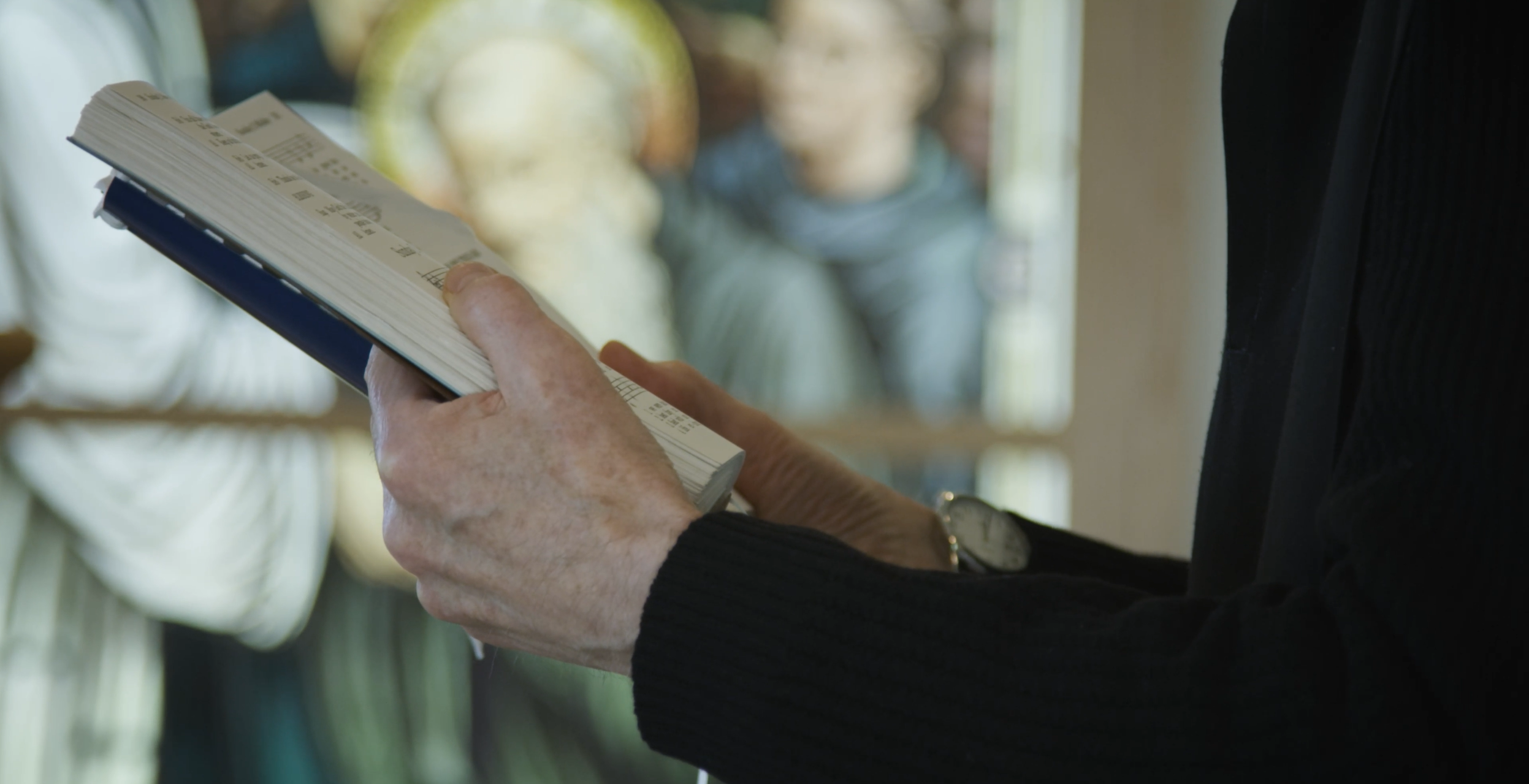
Monastic life is a vocation, a call to choose God and center your world around Scripture. Of course, when answering that call, emotions may cloud your understanding about whether that path is right for you. Previously, we’ve discussed how to understand if you’re ready to become a monk—both emotionally and psychologically.
But once you’ve become part of our monastery in Illinois, you’ll still face daily challenges with your desire and motivation to continue on the path. Specifically, daily obligations like a monk’s prayer may feel more like a chore than a true calling. And that’s perfectly normal. In exploring how to become a monk, it’s essential to be honest about the friction you may face.
In the monastery, prayer is dictated by set schedules known as the Liturgy of the Hours, or the Divine Office. It’s inescapable in monastic life.
What’s more, those prayers often begin in the early hours of the morning, with a prayer known as Vigils occurring around 2 AM. A second prayer, Lauds happens at dawn. Understandably, a monk may feel some resistance to set daily prayers at those times. They’re not necessarily convenient and force you to sacrifice comfort and sleep.
And that’s not even to mention the additional prayers that occur throughout the day, on top of other obligations. The challenge in consistently returning to prayer is obvious.
You can learn more about Benedictine monks’ prayer here.
But it’s Benedictine teaching that both guides you to prayer and asks you to return to it. Through prayer, we can witness all three Benedictine vows lived out: stability, obedience and conversion of life. And it’s that occasional, minor resistance to prayer which calls us to live those vows.
You can learn more about the three Benedictine vows here.
Prayer isn’t about mood
Some may see prayer as an urge, a desire to come closer to God. Others may view it more practically, as a means of channeling their faith in a difficult moment. But even outside the monastery this isn’t the case. Prayer—especially monks’ prayer—isn’t driven by emotion. Nor should it be.
Instead, monks’ prayer is dictated by rhythm. A monk doesn’t make the choice to pray because the choice has already been made for him. The Liturgy of the Hours are set, and prayer times come whether he’s ready or not.
It’s this routine that helps shape a monk overtime, creating a posture that brings his relationship closer to God. In fact, the rhythm may be most important during periods when he feels less connected to his spirituality. A monk may question his relationship with God. Or, he may notice a lack of pull toward his faith.
But instead of pushing against his routine, a monk is called to return to the same place and the same prayers. When his enthusiasm cannot carry him, The Rule, the bells, the Psalms and the monastic community will.
This is where we see the vow of stability lived out. These routines are a simple fact of living in our monastery in Illinois. And by answering the call to be a part of it, prayer integrates into your life.
Sometimes, it’s just a matter of showing up
Remember the monastic vow of obedience. In the case of the call to prayer, that means listening and responding. When he hears the bell, the monk knows he made a vow to follow it.
Yes, prayer may be joyful. It may consoling. It may also be boring or even empty. But none of those are a measure of whether or not the time spent in monks’ prayer was worthwhile.
We can see here how prayer becomes a simple act of obedience to monastic life. The decision to pray can be an expression of self-denial when abstaining feels more tempting. And in joining St. Bede’s monks for prayer, the monk is laying a small brick that builds up his greater spiritual practice.
Emotions may catch up, or they may not
One of the goals of prayer is to transform oneself, bringing us into a state closer to God. The Benedictines cover it in their third vow: conversatio morem, the conversion of life. It’s understood that not only does this conversion take time, but it’s something we must consistently return to.
You can learn more about conversatio morem here.
But occasionally, the simple act of prayer may completely change our emotional state. A monk can come into prayer apathetic or exhausted and leave feeling at peace. But it’s also likely he may remain distracted throughout the entire Office. Again, this doesn’t mean the time spent in prayer wasn’t worthwhile. Rather the acts of showing up when he’s told and praying as a community help continue the conversion.
When you encounter this alongside St. Bede’s monks, you’ll learn this lesson firsthand over time: prayer does not need to feel rewarding in order for you to encounter God.
Every path to the monastery begins with the same question: “How do I become a monk?” And as you gain a deeper understanding about the realities and challenges of monastic life, more questions arise. Sometimes, they’re difficult to even ask.
If you’re ready to learn more about life in our monastery in Illinois—or even take the next step—please get in touch by submitting the form at this link.